

Introduction
While debloat diets are helpful, eating healthy should not be only about losing weight; it is more importantly about feeling better, having energy, and improving your health.
With so many diets and nutrition plans competing in the market, it can become overwhelming to determine what is best for you. The following will lead you through the ultimate guide to healthy eating and weight loss. No matter if you’re looking to lose weight, create healthier habits, or find better ways of choosing the right foods for your body, this guide will take you through all of it.
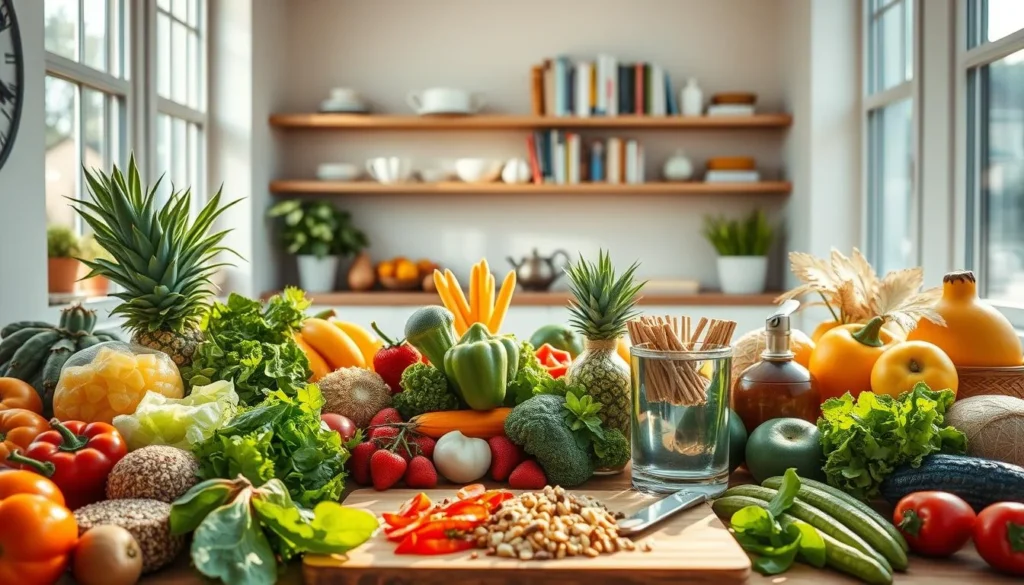
Learning the Basics of Healthy Eating
The primary way the body feels good is by feeding it a proper diet. It provides our bodies with the right way to work. This refers to nutrients, vitamins , and minerals.
A balanced diet is a composition of different food groups. They each provide unique nutrients. Try to eat a range of foods.
Essential Elements Used for Balanced Nutrition
- Vegetables & Fruits – A Good source for vitamins, minerals, and fiber.
- Whole Grains: Whole grains will keep you full and give you the nutrients that your body needs.
- Lean Proteins – muscles are built and repaired (chicken, fish, legumes, tofu).
- Good fats – Heart health + long-term energy foods (avocados, nuts, and olive oil).
The Healthy Eating Plate
Harvard’s Healthy Eating Plate offers a straightforward visual guide for meal planning. It suggests
- Make half your plate fruits and vegetables.
- One quarter whole grains.
- A quarter with lean protein.
The Harvard Healthy Eating Plate is a simple guide. It teaches the clever portioning of your meals. A well-balanced diet of vegetables, fruits, whole grains, and lean proteins will also help maintain heart health.
It also tells us to consume not very much: solid fats, added sugars, and sodium. This Guide helps us plan healthier meals. It allows us to lose weight and maintain a healthy weight.
The Science of Healthy Eating and Weight Loss
The science of diets, weight loss, and healthy eating is about how the body uses food for energy, how diet influences metabolism, and ultimately — or at least transiently — whether that millionth bite taken in the course of a lifetime promotes a growing waistline or not. Let’s break it down
1. Energy Balance
- Your body requires energy (referred to as calories) to, fabulously animate yourself, move around and even when you’re at rest, like housecleaning your lungs.
- Calories in vs. calories out
- More calories than you use = more weight: If you consume more calories than your body burns, you’ll gain weight.
- You eat less than you burn → weight loss.
- If intake is equal to expenditure →Body weight stays the same.
2. Macronutrients
- Carbohydrates → the body’s existing primary energy source (whole grains, fruits, and vegetables).
- Proteins → repair, rebuild, and maintain tissues, including muscle mass (meat, fish, beans & lentils).
- Fats → important for hormones, brain, vitamin absorption (nuts, olive oil, fatty fish).
- The quality of those macronutrients is important. Whole foods that are as minimally processed as possible are better for you than refined, sugary, or heavily processed ones.
3. Micronutrients
Vitamins and minerals don’t have calories, but they are essential for metabolism, energy release from food, and preventing deficiencies (iron, vitamin D, calcium, etc).
4. Metabolism & Hormones
- Metabolism = how quickly your body turns food into energy.
- Hormones such as insulin, leptin, and ghrelin control hunger and fat burning.
- Those signals can be disturbed by sleep deprivation, stress, and ultra-processed foods that are the features of modern diet and lifestyle, contributing to overeating.
5. Behavioral & Lifestyle Factors
- Conscious eating → responding to hunger/fullness signals.
- The timing of meals (such as not eating late at night) could affect weight.
- Exercise also strengthens your body, burns calories, and helps protect muscle and speed up metabolism.
- Sleep & stress are equally important to diet for weight control.
6. Sustainable Weight Loss
- Be patient: Slow and steady weight loss (1/2 to 1 kilogram a week) tends to produce the best long-term outcomes.
- Embrace habits and banish quick fixes
- Make sure your meals are balanced and made up mostly of whole foods.
- Control portions without extreme restriction.
- Include regular movement you enjoy.
Effects of Diet On Metabolism And Weight(Control)
Your metabolism depends on your diet. Food provides the body with nutrients that give us energy and help it to grow and repair itself. Since certain nutrients, particularly protein, require more energy to process per calorie consumed than others (more on this later), consuming them can upregulate your metabolism.
Experts agree, “The right foods can help to increase your metabolism and assist in weight loss.” A diet balanced with whole foods keeps your metabolism in homeostasis
The Calorie Equation: A Breakdown Of Energy Balance
You need to track calories. This is an important aspect in managing weight. IT WATCHES OVER THE CALORIES THAT YOU EAT VERSUS THE CALORIES THAT YOU BURN. You have to burn more calories than you eat if you want to lose weight.
Eating the right way will help you lose weight and keep it off for life! This involves consuming fewer calories and exercising more. If you want to lose weight, or better yet, stay healthy, even with regular exercise.
The secret is, of course, that there are no secrets: in case you need to find out how to eliminate weight loss — or more importantly, off it and perhaps not yo-yo your fat backwards upwards using a vengeance once the dietary plan’s completed — this just indicates eating fewer calories as well as greater physical exercise.
The calorie equation will enable you to make better choices when it comes to food and exercise. This results in improved weight control.
Required Nutrients for Fitness
A HEALTHY BODY NEEDS NUTRIENTS. It improves energy and immunity. It is necessary to eat the right food to keep fit.
- Top Macronutrients: Protein, Carbohydrates + Fats.
- Macronutrients provide a lot of energy. They are:
- Proteins – repair and grow tissues.
- Carbohydrates: provide the energy that allows us to move and think.
- Healthy fats: help our hearts to be healthy and power us with long-lasting energy.
Micronutrients (Vitamins and Minerals Your Body Needs)
Although required in small amounts, micronutrients play significant roles. They contain vitamins and minerals. These are the building blocks of our immune system; they also protect our nerve cells and enable growth.
Eating abundant fruits, vegetables, and whole grains helps us to achieve these elements of the diet.
Create Your Healthy Eating Plan
So, to develop a self-compassionate guide to the when, where, and how of eating with health, energy, and vitality. A healthy eating plan extends way beyond just cutting out crap — it is about finding a sustainable approach that works for you and your lifestyle.
Here’s what it usually involves:
- Setting Your Goals– e.g, Weight loss, Energy boost, Digestion optimization, or Fitness support.
- Balancing Nutrients – A holistic visual guide that can help you ensure your main meals are planned with the right proportions of carbs, protein, and healthy fats, including fresh fruit and veggies.
- Control Portion – Eating the optimal portion size for your body so that you eat just enough to meet your body’s requirements and do not gain weight due to overeating.
- Opt for Whole Foods — Select fresh fruits, vegetables, whole grains, and proteins like lean meat over processed or sugary foods.
- Meal Planning – Plotting your weekly or daily menu in advance not only makes healthy choices easily accessible but also lessens the need to indulge in unhealthy snacks.
- Keeping water with you the entire day to help your body’s capacity for walking: 500ml consistently
- Flexible Dieting— Indulging once in a while, but staying within your overall dietary guidelines.
The Benefits of Healthy Eating
An ethos meal reduces risk of major diseases, including heart disease and stroke and type 2 diabetes. It also contributes to vigor, mood and quality of life.
- Foods high in fiber lead to lower cholesterol rates and balance blood sugar.
- Omega-3s support brain health.
- Hydration also improves gastrointestinal and exercise function.
- Keep a few emergency ingredients (frozen vegetables, pasta, canned beans and eggs) on hand to enable you to change plans at the last minute.
How to Meal Plan for Your Family (That Will Actually Work)
1. Start with Your Schedule
Take a look at the week’s upcoming events. Busy nights? Steady yourself for fast dinners (stir-fries, sheet-pan meals). Free evenings? Cook something more involved.
Theme days to make decisions easier:
- Monday → Meatless
- Tuesday → Tacos
- Wednesday → One-Pot/Pasta
- Friday → Pizza Night
2. Get Input from the Family
- Request 2–3 favorite foods of each family member. Cycle through them to make sure everyone’s happy.
- This cuts down on whining and picky eating battles.
3. Plan Around Core Foods
Think in categories:
- Proteins (chicken, fish, beans, tofu, eggs, beef)
- Vegetables (fresh, frozen, or pre-cut for convenience)
- Some form of carbs (rice, potatoes, pasta, grains)
- Good fats (avocado, nuts, olive oil)
- Have fun with them for well-rounded meals.
4. Keep it Simple
- Have a few breakfasts and lunches on rotation most days; variety is for dinners.
- Example: Breakfast· Meal Prep Ideas Breakfast: Overnight oats, smoothies or egg muffins for breakfast.
- Sandwiches, wraps, or salad bowls for lunch.- Third Party Borrowed Batch Prep & Cook Once, Eat Twice
- Cook double the amount of protein (like grilled chicken or chili) to be used for lunches or another dinner.
- Cut vegetables and store them in containers in advance.
- Cook grains (rice, quinoa) several days’ worth at a time.
5. Write it Down
- Put the weekly menu on the fridge so everyone is in the know.
- Create a shopping list based on your plan, so you don’t take extra trips to the store.
6. Build in Flexibility
- Keep one night as a “leftover/free-choice” meal.
- Keep a few days of emergency provisions (frozen vegetables, pasta, canned beans, eggs) on hand for nights when plans change suddenly
✅ Sample 3-Day Family Meal Plan
Day 1
- Breakfast: Greek yogurt with fruit + granola. Soup or salad?
- Lunch: Turkey & cheese wraps with veggies and hummus
- Dinner: Baked/ grilled salmon, roasted potatoes, broccoli steamed
Day 2
- Breakfast: Scrambled eggs with spinach + whole grain bread-toast
- Lunch: Packed chicken quinoa bowl with roasted vegetables
- Dinner: Tacos (beef/beans, tortillas, salsa, and fixings)
Day 3
- Breakfast: Mixed berries overnight oats
- Lunch: Tacos left over from dinner as taco salad
- Dinner: Sheet-pan chicken with carrots, zucchini, and sweet
Foods That Are Healthy and Help You Lose Weight
1. Lean Proteins
Example: Chicken breast, turkey, fish (salmon, tuna, sardines), eggs; Greek yogurt; tofu, lentils.
Why: Protein boosts calorie-burning, diminishes appetite, and preserves lean muscle during weight loss.
2. High-Fiber Foods
Examples: Vegetables (broccoli, spinach, cauliflower), fruits (berries, apples, pears), legumes (beans, chickpeas and lentils), whole grains (oats, quinoa, and brown rice).
Why: Fiber slows digestion, helps stabilize your blood sugar, and leaves you full for longer.
3. Healthy Fats
Examples: Avocados, nuts (almonds, walnuts), seeds (chia, flax, pumpkin), olive oil, and fatty fish.
Why: Because these healthy fats help regulate your hunger hormones, such as leptin, ward off brain fog, and keep you fuller longer.
4. Low-Calorie, High-Water Foods
Examples: Cucumbers, zucchini, watermelon, and green vegetables or lettuce.
Why: Full of water, which adds volume without calories, it helps fill you up.
5. Spices & Metabolism Boosters
Examples: Green tea, coffee (in moderation), chili peppers, ginger, cinnamon.
Why: Some may contain compounds (like caffeine or capsaicin) that slightly boost metabolism while dulling appetite.
6. Fermented Foods
Example: Kimchi, sauerkraut, kefir, miso, plain probiotic yogurt.
Why: Gut health, which in turn affects digestion, inflammation, and fat storage.
7. Hydrating Foods & Drinks
Examples: Water, decaffeinated herbal teas, water-based fruits/veggies.
Why: Stay hydrated – keeping up your fluids can help with metabolism and work against mistaking thirst for hunger.
⚡ Pro tip: No one food will “melt fat.” Fat loss is created with a calorie balance, and these make it easier by preventing hunger, increasing metabolism, and improving nutrition.
Foods You Should Always Be Including (Based on Nutrient Density)
Foods that are rich in nutrients give fewer calories but health-giving substances that everyone wants. They are perfect for weight loss as they satisfy you, giving just enough meaning, and fewer calories.
- Fruits and vegetables
- Muscle meat (e.g., Chicken, fish, and tofu)
- Unprocessed, full grains (e.g., brown rice, quinoa, and wholemeal bread)
- They are good sources of healthy fats, which you need!
Eating these foods helps you to feel satiated and fulfilled. It also keeps your calorie count under control.
How to Tell and Cut Sugar & Saturated Fat
Consuming too much sugar and saturated fat will halt all progress you have made in losing weight. Such foods generally find themselves in processed and calorie-dense categories.
To cut down:
1. Watch what types of sugar and saturated fats are added to food.
2. Natural sweetness is always best to get from fruits rather than drinks and candy.
3. Opt for unsaturated fats and reduce saturated fats present in red meat, full-fat dairy.
Portion Control Strategies You Can Use
Controlling the portion is a way of managing calories. Here are some tips:
- Serve smaller portions with a salad
- Weigh and or measure food with a scale, measuring cups.
Popular Diet Approaches
- The Mediterranean diet includes a variety of fruits, vegetables, whole grains, and healthy fats. Good for your heart and sustainable weight loss.
- Plant-Based Eating – Focuses on whole-plant foods. It may be good for the health and the environment.
- Low-Carb/Keto – Lowers the amount of carbohydrates to toxins in the bloodstream. It can be effective for some people, but it should be taken carefully.
- Intermittent Fasting – Allows only to eat within set time periods. May help with calorie control and weight management.
Diet and Physical Activity: The Perfect Couple
Eating right and moving more are the ways we create a healthy lifestyle. It is this blend that will help you very easily maintain a proper body weight and enjoy quality health.
An exercise that burns calories and keeps you happy. It also gives you more energy. Eating well and exercising = Big health win.
The Purpose Of Exercising Alongside Your Diet
Engagement helps your body burn calories a little more easily. It also helps maintain muscle strength. And it also helps you feel less stressed and anxious.
Advantages of Diet and Exercise Combination: Benefits
- Enhanced weight loss
- Improved metabolic health
- Better mental well-being
Identifying Activities That Complement Your Diet Goals
It is very important to find diet-appropriate fun. Walking, running or jogging/cycling/swimming (pick as many). The aim is to choose things you can make into a habit over the long term.
The way you supplement your daily exercise is one in perfect harmony with diet and health. Overall, it gives you a better slot in life.
A Healthy Diet = A Healthier You
Good, healthy eating prevents major illnesses. If you do this, life will be sweet and your body comfortable.
Important foods include:
- High fiber foods like whole grains and veggies
- Nuts, seeds, and avocados for healthy fat
- Lower Saturated and no trans fats
A balanced diet has more to offer than just keeping diseases at bay. It also helps with energy and overall health & wellness. Nutrient-rich foods are essential to keep the body ticking over as well.
- Whole grains sustain energy
- Omega-3s for your poor brain
- Water is necessary to aid in proper digestion, water regulates body temperature, and carries nutrients & oxygen It helps maintain Proper mineral balance, as recommended by the Committee on. Water helps with hydration.
Assistance in selecting whole, nutrient-dense foods can make a large difference in quality of life. You will be energized, have rock-solid balance in mood, and totally feel great.
Conclusion
They are all tools that will get you to a healthy weight, but only when used for what they were designed for. It’s all about establishing lifelong changes in the way you eat. That means eating the right things, after the correct portions, and most importantly — getting off your ass.
The quantity one secret to maintaining weight off is by adopting a healthier lifestyle. Begin Small: Start with attainable targets. Diet: Plan lunches to take to work and find at least one way to move your body daily.
By following the tips in this guide, you will be able to arrive at a weight that is good for healthy living. It is not simple, and it takes work, but it feels so good! Eating a healthy diet and staying active will help you feel better as well.
FAQ
What is a healthy diet?
Eating Right Helps Your Body Function Properly. It has foods from all groups. Which means fruits, veggies, whole grains (like quinoa), lean protein (fish and legumes) & healthy fats.
How does Help for weight loss provide guidance for beneficial eating?
Eating a balanced diet helps with weight loss. With the perfect nutrients and low calories. That also helps with you being lean.
Why should we all eat healthily?
It is healthy to have a well-organized eating plan. Reduced risk of heart disease & diabetes. It, as well, enhances energy and euphoria.
Why Does Physical Activity Go Along With a Balanced Diet?
A healthy diet should be combined with regular physical activity. It improves metabolism and mood. Physical activity and a balanced diet contribute to weight loss and health.

Pingback: 30-Day Weight Loss Challenge: Reset, Recharge & Transform Your Life
Pingback: 30-Day Weight Loss Challenge: Reset, Recharge & Transform Your Life