

introduction
Your heart can’t be measured like an inch of gristle from a steak, since there is more to the heart than you can ever hold in your fingers. And all you have to do is this: It beats every second, pumping blood, bringing in oxygen, and keeping every single cell alive. Yet even as important for the heart, millions of people ignore their cardiovascular health until something goes wrong.
Clogged arteries are the number one cause of death in the world, but hear this: Many cases could be prevented.
Yet the best preventive tool is neither expensive nor complex, and it’s available to everyone for free — exercise.
This guide will cover everything you need to know about heart-healthy physical activity: what it does to protect your heart, which style of exercise is best for your particular lifestyle goals, how exercise is safe when you already have a heart condition, and the long-term plan that complements the way you live.

Important Reasons for Exercising Your Heart
Reduces blood pressure: When you have high blood pressure (hypertension), your heart has to work harder. Exercise also relaxes blood vessels and improves circulation.
Reduces cholesterol: Exercise raises HDL (good cholesterol) while lowering LDL (bad cholesterol. This process of reducing blockages keeps the arteries clear.
- The heart muscle becomes stronger: Cardio activity trains the heart to pump blood more efficiently.
- Enhances blood flow: Improved circulation helps alleviate clots and ensures that oxygen reaches all parts of the body.
- Helps control weight: When you exercise, calories are burned and metabolism is increased to help with weight loss, lowering the load on your heart.
- Reduces stress: Stress hormones cause the heart to see more stress. Exercise reduces cortisol and increases endorphins, so you are calmer and happier
- Reduces diabetes risk: Movement increases insulin sensitivity and aids in regulating blood sugar, preventing type 2 diabetes
Dr Jane Smith, Cardiologist:
“Exercise is extremely important in heart health. You have to turn physical activity into a daily routine.”
Little steps count too — a 20-minute walk every day can have big benefits in terms of protecting your heart.
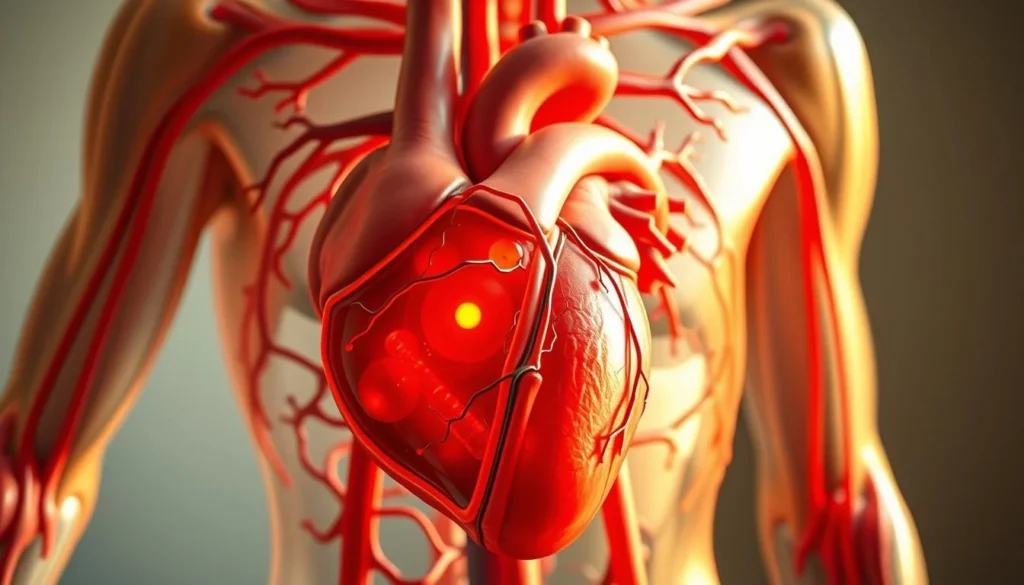
Why Exercise is Essential for Heart Health
Each time you work out, your heart, lungs, and blood vessels adjust to the challenge. Over time, these adaptations give you protection against disease.
- Your heart rate speeds to force more oxygen through your body in less time
- Your stroke volume goes up — in other words, more blood is pumped with each beat.
- Blood vessels dilate, reducing resistance and blood pressure.
- More efficient delivery of oxygen to muscles means less fatigue.
- Your resting heart rate drops, which is a good indication of how strong and efficient your heart is.
Long-Term Adaptations
- By being physically active, you lower your risk:
- Heart attack
- Stroke
- Coronary artery disease
- High blood pressure
- Atherosclerosis (narrowing of the arteries).
Moderate-Intensity Exercise
You can converse with it, but not as though you were singing. Examples:
- Brisk walking
- Light cycling
- Leisure swimming
- Dancing
- Gardening
Vigorous-Intensity Exercise
You can only get a few words in edgewise. Examples:
- Running or jogging
- Jumping rope
- Boxing
HIIT (High-Intensity Interval Training)
- Competitive sports
- The Recommendation
Health experts suggest
- 300 minutes of moderate activity/week, or
- 75 minutes per week of vigorous exercise
💡 Pro Tip: Combine both for a balance — like brisk walking during the week and a more intense run on the weekend.
Exercising Safely with Heart Disease
If you have a known diagnosis of heart disease, exercise can still be good for you — but safety should come first.
Dr John Doe, Cardiologist:
“Exercise is medicine for the heart, but it needs careful prescribing, particularly in patients with more advanced disease,” Dr. Nazarian said.
Safety Tips
- Obtain medical clearance first.
- Begin with short, low-intensity sessions.
- Don’t forget your warm-up and cooldown.
- Do not push through those symptoms..
Recommended Activities
- Walking
- Gentle yoga
- Low-impact aerobics
- Light swimming
These are generally safe and effective for the majority of individuals with heart disease.
11 Exercises That Help Decrease Your Risk of Heart Disease
A strong heart is the result of suitable exercises frequently repeated. Here are 11 of the best exercises that you can do, and the fitness level they’re geared toward:
1. Brisk Walking 🚶♀️
It is one of the easiest and best methods to keep your heart healthy. Only 30 minutes a day is needed to decrease blood pressure, increase Circulation, and lift your mood.
Pro Tips:
- You should walk at a pace that allows you to talk but not sing.
- Consider walking outside for fresh air and vitamin D.
If time is an issue, break it into three 10-minute walks during the day.
2. Jogging or Running 🏃
Running and jogging offer numerous cardiovascular benefits, as well as properties that enhance stamina. “If they’re new to jogging, they can start by alternating brief periods of jogging with walking.
Pro Tips:
- Wear good shoes to keep your joints protected.
- Jog for five minutes before running..
You’ll also want to work up to this speed more gradually, so you don’t increase your risk of injury.
3. Swimming 🏊
You can get a full-body workout without stressing your joints in the pool, so it’s ideal for people with arthritis, back pain or previous injuries.
Pro Tips:
- Shoot for 20-30 minutes of laps three times a week.
- Combine different strokes (freestyle, breaststroke, backstroke) to work more muscles.
- If you’re new, consider water aerobics — so easy on the joints and plenty effective.
4. Strength Training 🏋️
Weight lifting or working out with resistance bands builds muscle, burns fat, and makes your heart more efficient. It also improves bone health.
Pro Tips:
- Train the major muscle groups (legs, chest, back).
- “Light to moderate weights with more reps.
- Do resistance training 2 or more times per week, on non-consecutive days.
Perform resistance training 2 or more times per week, non-consecutively.
5. Dance Workouts 💃
It’s fun, exhilarating, and doesn’t feel like exercise — but boosts the heart rate to burn calories fast.
Pro Tips:
- Test out Zumba, aerobic dance, or even freestyle at home.
- Select music that encourages you and puts a spring in your stride.
- Dance, 20 minutes minimum to get your heart rate going.
6. Cycling
Cycling is another low-impact, high-cardio, calorie-torching workout. It makes your leg muscles stronger, increases stamina, and improves blood flow. On the road and on a stationary bike at home, cycling reduces blood pressure as well as cholesterol.
💡proTip: Begin with shorter rides — say, 15–20 minutes a day — and increase your duration gradually
Whether in the seat of a road bike or a stationary bike, cycling strengthens legs and gets your circulation pumping.
7. Rowing
Rowing is a full-body workout, contracting your legs, arms, back and core. It gets your heart rate up quickly and increases both strength gains and endurance. And because it’s performed sitting down, it takes a light touch on the joints.
💡 ProTip: Avoid back strain by keeping an eye on your technique — you should push with your legs before pulling with your arms.
A low-impact, full-body exercise that quickly raises the heart rate and builds strength.
8. Hiking
Hiking involves moderate to vigorous walking over hilly or other natural terrain. It will help you build stronger legs, work on balance, and cardiovascular stamina. Cooler air and natural scenes can also reduce stress that directly relates to the heart.
💡 ProTip: Start with easy, short trails and work your way to steeper hikes as you improve your fitness.
Walking combined with the challenge of hills will increase your stamina and reduce stress.
9. Stair Climbing
Climbing stairs is an underrated (and hardcore) cardiovascular workout. It enlists large muscle groups like the quads, hamstrings, and glutes — all while making the heart pump harder. Regular use can exercise your leg muscles, improve a variety of physiological indices, and lose weight.
💡 ProTip: You don’t need a gym — even the stairs in your home or at work can be your exercise space.
Works your lower body and forces your heart to work harder. Easy to do at home or work.
10. Tai Chi
Tai Chi is an ancient Chinese movement technique known as “meditation in motion”. It is a series of slow-moving, flowing movements with deep breathing. Gentle though it may be, it boosts circulation, decreases blood pressure, and lowers stress hormones — three big riding boosters for the heart.
💡 ProTip: Search for beginner-friendly Tai Chi classes online to practice from home.
Soft, rhythmic gestures mitigate stress and help to manage blood pressure.
11. Elliptical Training
Elliptical use delivers a low-impact cardio workout, which can emulate walking, running, and or stair climbing. It’s perfect for people with joint problems. Such exercises on an elliptical boost heart rate and endurance and can be customized for varying levels of fitness.
💡 ProTip: Alternate a few high-resistance short bursts with constant pacing for an interval workout that’s good for your heart.
A low-impact alternative to running that still delivers all the same cardio benefits.
Best Home Exercises for Heart Health
You don’t need a gym to get your heart beating in the right way. At home, you can try:
- Bodyweight exercises: Push-ups, lunges, squats
- Jump rope: A calorie-torching cardio workout in just 30 minutes
- Dance routines: Which online fitness videos
- Yoga: Reduces stress and increases flexibility.
- Heart Blockage Patients: Exercises For patients suffering from heart blockages, there is still a light at the end of the dark, gloomy tunnel.
Exercises For patients suffering from heart blockages, there is still a light at the end of the dark, gloomy tunnel.
Recommended Options
- Walking
- Chair exercises
- Gentle cycling
- Restorative yoga
American Heart Association:
“Regular exercise can help control heart disease and minimize the risks of having complications.”
Do not do any high-intensity activities without your cardiologist’s permission.
Building a Heart-Healthy Routine
Narrow down which exercise routine is best for you, depending on your health and lifestyle.
Steps to Create Your Routine
- Assess your current fitness.
- Choose enjoyable activities.
- Mix cardio and strength training.
- Start with small goals.
- Stay consistent.
👉 Aim for:
Reduce the time till you feel a hundred and fifty minutes of reasonable exercise a week sounds doable.
- 2–3 strength training sessions
- Daily stretching
Lifestyle Tips to support heart health
Exercise is most effective when joined with other healthy behaviors:
Follow a healthy diet full of fruits, vegetables, and lean protein.
- Follow a healthy diet full of fruits, vegetables, and lean protein
- Stay hydrated
- Limit alcohol and caffeine
- Quit smoking
- Sleep for 7–9 hours every night
- Cope with stress by meditating or taking up hobbies
Common Mistakes to Avoid
- Skipping warm-ups and cool-downs
- Overtraining too quickly
- Disregarding symptoms like chest pain
- Exercising irregularly instead of consistently
- Thinking diet doesn’t matter as long as you exercise
Exercise and Heart Health: Debunking a Few Myths
Myth: “Physical activity is only good for young people.
Fact: Exercise benefits all ages.
Myth: “Resistance training is harmful for the heart.”
Truth: Strength training safely improves heart health.
Myth: “If you have heart disease, you should not exercise.”
Fact: With guidance, it’s essential.
Frequently Asked Questions (FAQ)
What are the best heart-healthy exercises?
Movements you make when walking, swimming, cycling and doing resistance training.
Can I exercise at home?
Yes — bodyweight exercises, jumping rope, or yoga.
How often should I exercise?
At least 150 minutes of moderate exercise a week.
Can I exercise if I have heart disease?
Yes, but only when under medical oversight.
What exercise is safe with a heart blockage?
Walking, gentle yoga, and light aerobics — always consult with a doctor.
Conclusion
You need your heart, you know — your most important muscle. And exercise is key to keeping it in good shape. Exercise helps to lower blood pressure, decrease cholesterol, and promote circulation, and it slashes your risk of heart disease with every workout.
The beauty of exercise is that you don’t need costly memberships or equipment. There’s something for everyone, whether it’s walking, swimming, dancing, or yoga.
Something you can do small, something regular, something mixed. Add exercise to a healthy lifestyle — good food, rest, and stress handling — and your heart will thank you with years of robust vitality.
It is a small investment in your future. Start today.

Pingback: 20 Benefits Of Exercise: The Path To Strength, Energy