

Introduction
Meal planning for kids is one of the easiest ways to help your children follow a balanced diet and make life easier for busy parents. A well-organized meal plan is instrumental when it comes to ensuring kids get the wide array of nutrients needed for growth, energy, and cognitive development. It can also help decrease dependence on fast food or highly processed snacks that are usually loaded with sugar, salt, and unhealthy fats.
Meal planning for parents will make mealtime less stressful and give you a sense of organization when it comes to feeding the family. By preparing in advance, you can ensure that your child has a variety of healthy vitamin- and mineral-rich foods, as well as protein-packed items — not to mention fun, colorful options. As such, whether from a taste perspective or food-by-color analogy, children eat meals that are colorful and fun to them, so presentation is just as important as nutrition.
In this comprehensive guide for absolute beginners, you will be introduced to what meal planning is all about and its importance, how to begin meal planning, and the food you can decide to include. You’ll also get tips for dealing with picky eaters, and strategies for meal prepping, plus a 7-day sample plan so you can jump right in. By the end of this guide, you’ll be equipped with everything you need to serve your kids well-rounded, healthy meals without all the daily planning hassle.
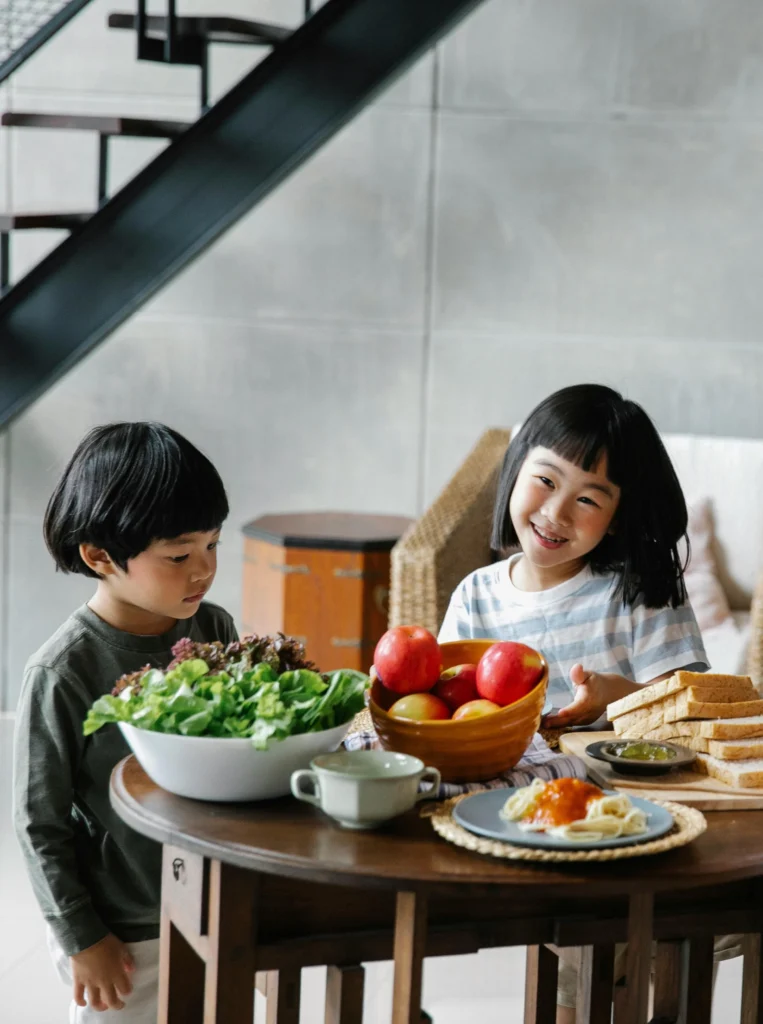
Why You Should Care About What Your Kids Eat
Good nutrition in childhood is not just about weight maintenance — it affects growth, brain development, immunity, and long-term health. By consuming an overall healthy diet, kids are equipped to concentrate at school, have the energy they need for physical activity, and are less likely to develop chronic diseases such as obesity or type 2 diabetes.
Essential Nutrients for Kids:
- Protein: Growth and repair of the body’s tissues. Incorporate sources such as eggs, chicken, turkey, fish, beans, and lentils.
- Calcium: Necessary for strong bones and teeth. In milk, cheese, yogurt, and fortified plant-based milk.
- Fiber: For digestion and to make you feel full. Derived from fruits, vegetables, and whole grains.
- Vitamins & Minerals: Infant formula with vitamins A, C, D, and iron is the only formula standard fed to infants for the first year of life, which may provide insufficient vitamin D in some climates.groupControl.
Impact of Bad Eating Habits: Children who snack on foods and drinks high in sugar, fast food, and empty calories may experience the following:
- Energy crashes and irritability
- Weakened immunity
- Poor concentration at school
- Higher risk of obesity and diseases caused by it
Making Healthy Eating Fun:
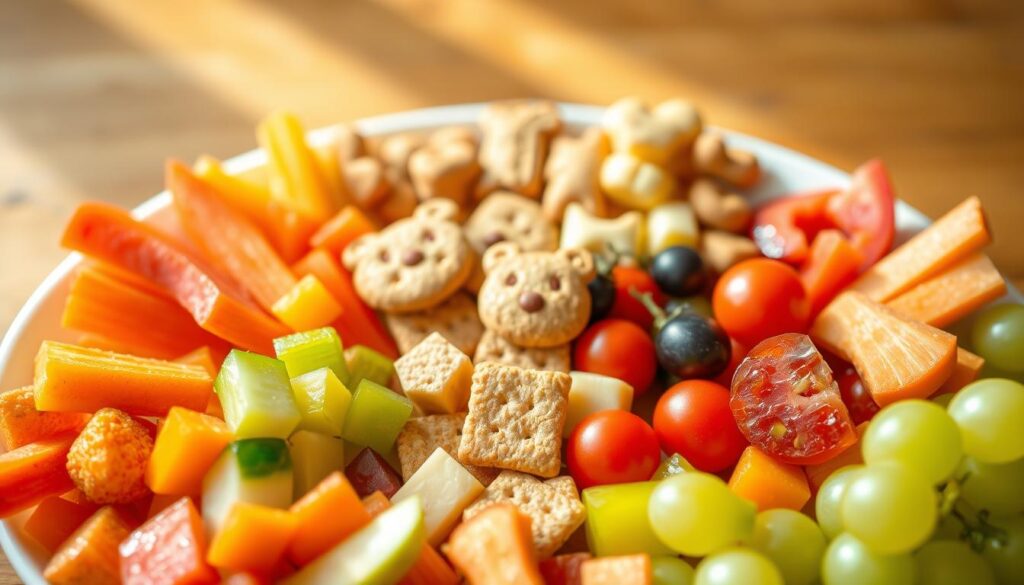
- Serve colorful fruits and vegetables on bright plates.
- Cut into fun shapes with cookie cutters for sandwiches or fruit.
- Get kids involved in preparing meals — they’ll be more likely to eat what they helped create.
How to Begin Meal Planning with Kids
Meal planning for beginners can feel daunting at first glance – but when you take it one step at a time, all of a sudden it becomes super easy and even fun.
Step 1: Know Your Kid’s Nutritional Needs
All children grow at different rates, but all children need the right combination of nutrients to be healthy. Focus on:
- Protein – helps with growth and muscle development (chicken, fish, eggs, beans).
- Calcium & Vitamin D – strong bones and teeth (milk, yogurt, cheese).
- Vitamins & Minerals – for immunity, energy (Fruits and Vegetables).
- Fiber – such a great and easy way for digestion (whole wheat, apple, or carrots).
💡 Tip: Make a list of the foods your child needs most before you sit down to plan this out for the week.
Step 2: Get The Kids Involved
- Children are more likely to eat what they help select.
- Ask them easy questions: “Would you prefer apples or bananas as a snack?”
- Have them pick a fruit or vegetable at the store.
- Including them in basic chores such as cooking (washing veggies, mixing) also helps.
👉 This can make mealtime enjoyable and ease picky eating.
Step 3: Plan a Weekly Menu
Create a basic chart with 7 columns for the days and add rows for breakfast, lunch, dinner, and snacks. Keep it balanced and varied.
Example Menu:
- Monday Breakfast: Oatmeal with berries
- Tuesday Lunch: Chicken wrap + carrot sticks
- Wednesday Dinner : Rice + daal+ salad
- Snack Thursday: Sliced apple with peanut butter
💡 Preparation saves time, money, and anxiety.
Step 4: Shopping & Getting Ready to Cook
- Make a shopping list from your planned weekly menu.
- Stick to the good stuff: fresh fruits, veggies, whole grains, and lean proteins.
- Eat very few processed foods (chips, candy, soda).
- Prep up: pre-cut fruits, washed veggies, and batches of grains.
👉 What This Does: It enables faster, simpler weekday meals.
Step 5: Easy, Make-Ahead Meals That Are Flexible
- You don’t need complicated recipes. Children tend to enjoy simple, familiar foods.
- Simple dinner ideas: pasta and veggies, chicken and rice, sandwiches and salad.
- Finally, the two healthy options rather than insisting on one.
- If your child doesn’t like a food, prepare it differently (raw carrots vs. roasted carrots).
💡 Flexibility with happy kids and to avoid the mealtime battle.
Step 6: Weekly Audit and Adjustment
At the end of each week, consider what worked well and what didn’t.
Did your kid like the way they tasted?
Were they consuming adequate fruits and vegetables?
Did any food go to waste?
Modify your next plan accordingly, based on what you learned from these answers.
👉 Along the way, you’ll develop a system that works best for your family.
Breakfast Ideas for Kids
A good breakfast feeds the brain. A well-balanced breakfast provides your child with the energy he needs for school and activities.
Top 10 Breakfast Ideas:
- Fresh pomegranate and nuts over hot oatmeal.
- Whole wheat banana pancakes
- Spinach and tomato scrambled eggs
- Parfait with cereals and mixed fruit (parfait.
- Kale banana berry smoothie bowls
- Bowl of healthy whole-grain cereal with milk and strawberries
- Muffin Tin Eggs with Veggies and Cheese
- Slice an apple and serve it with peanut butter on toast.
- Cottage cheese with pineapple chunks
- Avocado toast with cherry tomatoes
Tips for Breakfast Success:
- Prepare the overnight oats or smoothie packs in advance.
- Make it bright and colorful to draw kids’ attention.
- Opt for some protein to keep you going.
Lunch Ideas for Kids
Lunch, especially school lunch, needs to be balanced, easy to eat, and attractive.
Top 10 Lunchbox Ideas:
- Turkey and cheese on whole-grain bread
- Veggie wrap with hummus
- Chicken salad with crackers
- Tuna sandwich with cherry tomatoes
- Salad of quinoa with mixed vegetables and feta
- Mini whole pita pockets with a lean protein and veggies
- Chicken-Bell Pepper Pasta Salad
- Avocado sliced with rice and beans
- Cucumber sticks with egg salad sandwich
- homemade lunchbox: small handfuls of crackers, fruit, and cheese, and lean protein.
Tips for lunch success
- Use compartments to keep things fresh.
- Offer a fruit or vegetable at every meal.
- Don’t let sugary drinks sneak in; opt for water or milk instead.
Dinner Ideas for Kids
Dinner is the time to cook healthy meals for the family.
Top 10 Dinner Ideas:
- Chicken baked with rice and broccoli
- grilled salmon over quinoa, with green beans
- Turkey Meatballs Spaghetti in Tomato Sauce
- Stir-fried chicken with mixed vegetables
- Taco Dinners. All dinners are served with lettuce, tomato, and cheese on beef tacos
- Veggie-packed omelets with toast
- Fish fingers (fish sticks) baked with sweet potato fries
- Chicken quesadillas with salsa
- Lentil soup with whole-grain bread
- Veg noodle with pesto and cherry tomatoes
Dinner Tips:
- Make a batch in advance so you can easily reheat for the rest of the week.
- Throw in some nutrient-packed and colorful veggies for good measure.
- Rotate protein sources for variety
Children’s Snacks & Beverages
Snacks are crucial, but must be healthy, not full of sugar.
Healthy Snack Ideas:
- Fruit slices (apple, pear, orange)
- Yogurt with berries
- Cheese cubes with whole-grain crackers
- Veggie sticks with hummus
- Spinach, banana, and yoghourt smoothies
- Rice cakes with nut butter
- Homemade granola bars
- Hard-boiled eggs
- Oat and fruit mini muffins
- Nut/fruit mix (AKA trail mix)
Hydration Tips:
- Encourage water throughout the day.
- Limit sugary juices or sodas.
- Milk is rich in protein and calcium, which are necessary for growth.
Meal Prep & Planning Tips
Batch Cooking & Storage:
Cook lean meats, such as chicken or beef, in large batches.
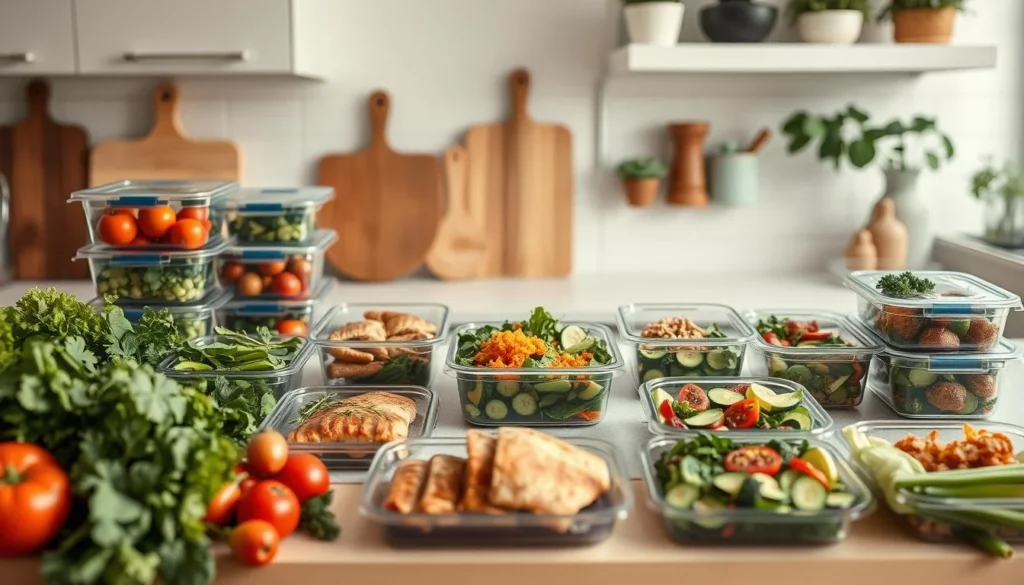
Keep vegetables pre-cut in clear, lidded containers.
Divide snacks into small containers for easy grab-and-go.
Weekly Scheduling:
- Sunday: Prime pantry shelves with groceries, plan meals, make a grocery list, and prep breakfast items.
- Monday-Thursday: Simple assembly meals.
- Friday-Saturday: Fun or unusual recipes to help kids pass the time.
Organizational Tools:
- Use labeled containers.
- Sort by day, color code by meal type.
- You can even write a weekly menu on the fridge with fridge magnets and a whiteboard.
Handling Common Challenges
1.Picky Eating
The Challenge: Your child won’t eat anything green or seems to prefer just one or two of the same foods over and over.
How to Handle It:
- Get them in the mix: Let kids choose a fruit or veggie at the store or help prepare dinner (they’re more likely to eat what they’ve had a hand in making).
- Those choices: Instead of “Do you want broccoli?” Would you like broccoli or carrots?
- Try something festive: Make food fun by cutting it into shapes or making “rainbow plates.”
- Be patient: It can take 10–15 exposures for a child to accept a new food. Don’t pressure — just keep offering.
2.Busy Schedules
The Challenge: There’s no time to cook between school, work, and activities.
How to Handle It:
- Plan: Consider easy recipes and batch prep ingredients (such as chopped vegetables or cooked grains).
- Take shortcuts: Healthy frozen options, pre-cut produce, and slow cooker meals can streamline the process without compromising nutrition.
- Batch cook & freeze: Two words for you, Mama — freezer meals! Just double your next batch of homemade pasta sauce or soup (or even muffins!), and stash half away.
- Name theme nights: “Taco Tuesday” or “Pasta Friday” makes planning easier.
3. Changing Appetites
The Issue: Some days your child will eat ANYTHING and EVERYTHING in sight, other days he or she won’t even touch a single bite!
How to Handle It:
- Honor their appetite: Children typically know how much food they need to eat to grow and be active. Provide balanced meals and let them decide how much they want to eat.
- Serve small portions: Bure says you can whittle away at overwhelm by being conservative from the start (they’ll ask for more if they want it).
- Balance the snacks: Offer healthful mini-meals such as yogurt with fruit, cheese, and whole-grain
4. Food Allergies or Sensitivities
The Challenge Dietary restrictions complicate meal planning.
How to Handle It:
- Zero in on safe swaps: Try allergy-friendly replacements (like oat milk instead of dairy, sunflower butter instead of peanut butter).
- Pay close attention to labels: Even something as “healthy” as stir-fry can have hidden allergens.
- Serve family-style: Portion components and serve separately so everyone can build their own meal safely.
5. Running Out of Ideas
The Challenge: You are in a meal rut.
How to Handle It:
- Rotate favorites: Make a list of some favorite meals your kids won’t get tired of and rotate them every couple of weeks.
- Experiment with themes: Breakfast-for-dinner, homemade pizza night (stretching or rolling the dough yourself is a must), and build-your-own burrito bowls shake things up.
- Gather ideas: Look through kid-friendly food blogs, Pinterest boards, and cookbooks together — kids often get excited about meals they picked.
6. Balancing Nutrition
The Challenge: How to keep meals fun and healthful.
How to Handle It:
- Follow the “½ + ¼ + ¼ rule”: Half fruits/veggies, a quarter protein, a quarter whole grains.
- Find inventive ways to add nutrients: Puree your veggies in sauces, smoothies, or baked goods.
- Don’t outlaw treats: Teach moderation — in a healthy plan, there is a place for treats within the framework of wholesome meals.
7. Family Food Fights
The Challenge: Meal time becomes a battle of wills.
How to Handle It:
- Establish meal and snack timing: Parents set the what, when, and where of food offerings; kids are left to decide if they’ll eat and how much.
- Keep meals un-stressful: Do not bribe, force, or pressure. Encourage conversation, not conflict.
- Set a good example: Children mimic what they observe — you eat the foods you want your children to like.
7-Day Sample Meal Plan
| Day | Breakfast | Snack | Lunch | Snack | Dinner |
| Monday | Oatmeal + Strawberries | Apple slices | Turkey Sandwich + Carrots | Yogurt | Whole Chicken + Rice + Veggies |
| Tuesday | Pancakes + Banana | Mixed Nuts | Veggie Wrap + Hummus | Smoothie | Fish + Mashed Potatoes + Broccoli |
| Wednesday | Scrambled Eggs + Toast | Orange slices | Chicken Salad + Crackers | Cheese Cubes | Spaghetti and Tomato Sauce Salad |
| Thursday | Yogurt Parfait + Berries | Granola Bar | Turkey Roll-ups + Veggies | Apple | Chicken + Veggies and Rice Stir Fry |
| Friday | Banana Pancakes + Milk | Carrot Sticks | Tuna Sandwich + Cherry Tomatoes | Yogurt | Beef Tacos + Salad |
| Saturday | Whole Grain Cereal + Milk | Fruit Salad | Chicken Quesadilla + Veggies | Smoothie | Baked Salmon + Quinoa + Veggies |
| Sunday | Egg Muffins + Toast | Apple slices | Veggie Pasta + Cheese | Mixed Nuts | Grilled Chicken + Sweet Potatoes + Green Beans |
conclusion
Creating a meal plan for kids is crucial for their development, physical health, and overall happiness. Parents can provide balanced meals, save time, and cut down on stress by using this beginner’s guide. It’s all about planning, preparing, and variety